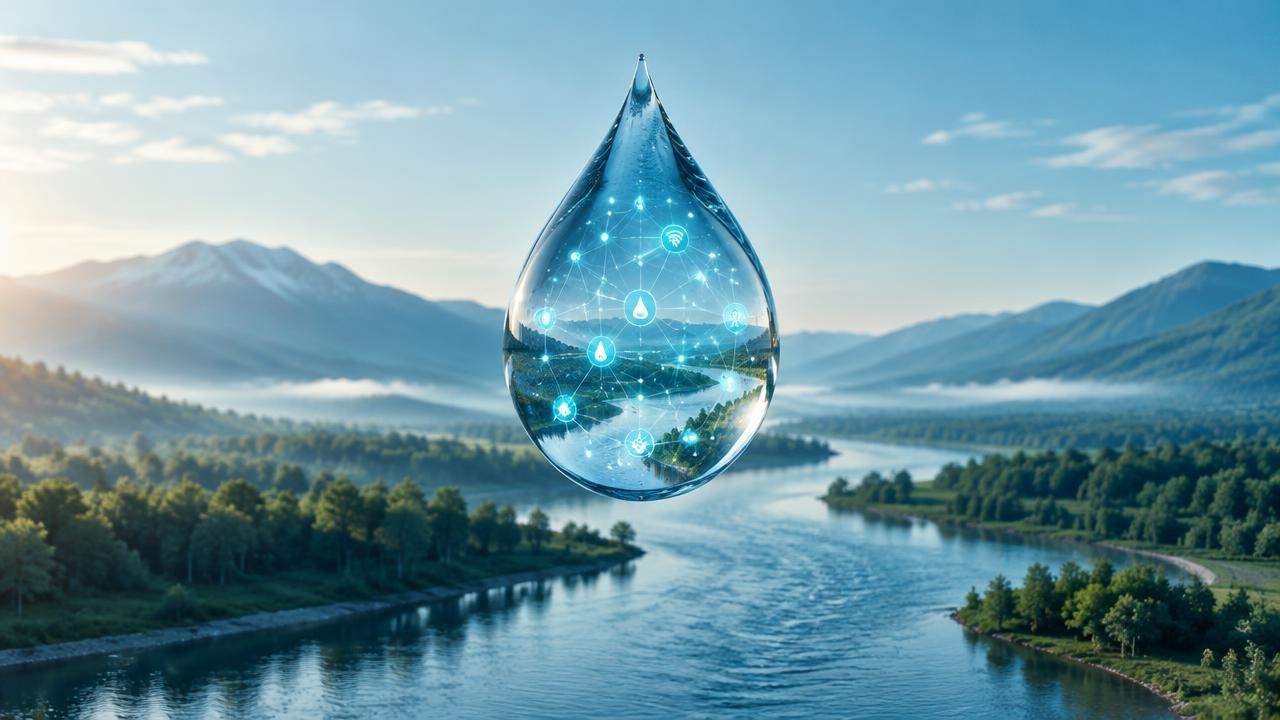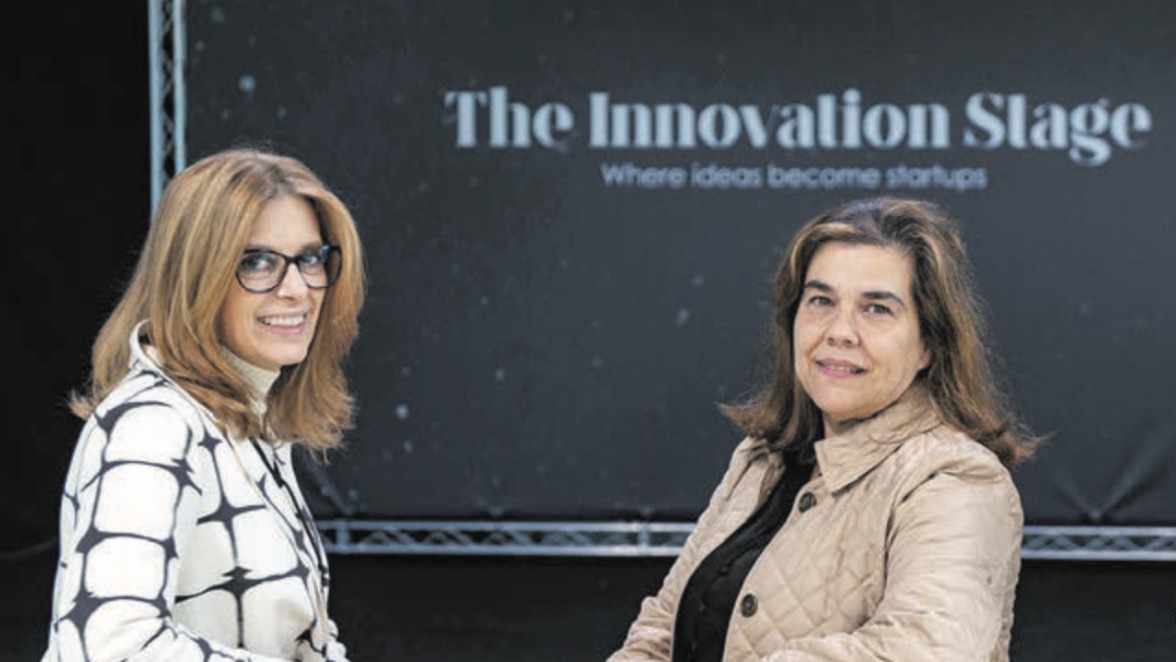
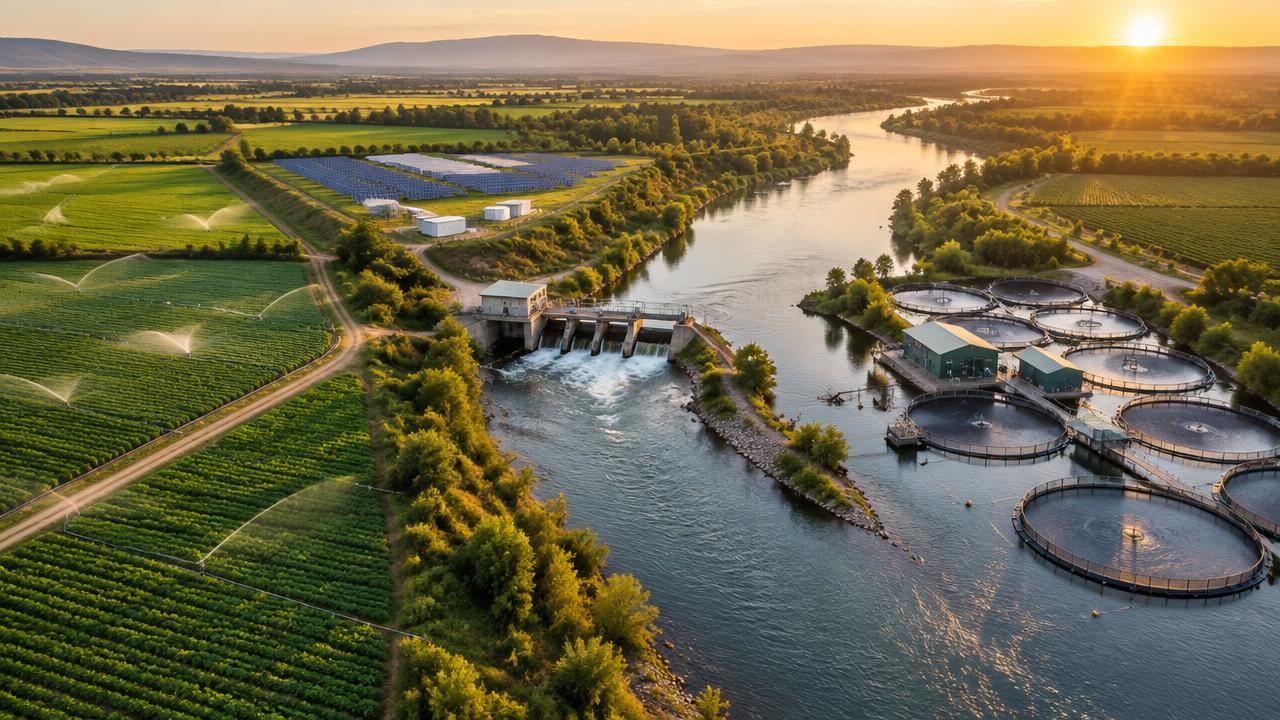
Water shapes nearly every human activity, from drinking supply and shipping to energy and food production, which gives it enormous economic and geopolitical weight. Gabriela frames it through the Water–Energy–Food nexus. Agriculture accounts for roughly 70% of global freshwater withdrawals, while producing, transporting and preserving food uses close to 30% of the world's energy. That footprint, she argues, must be reduced, and it opens wide room for technological and business-model innovation.
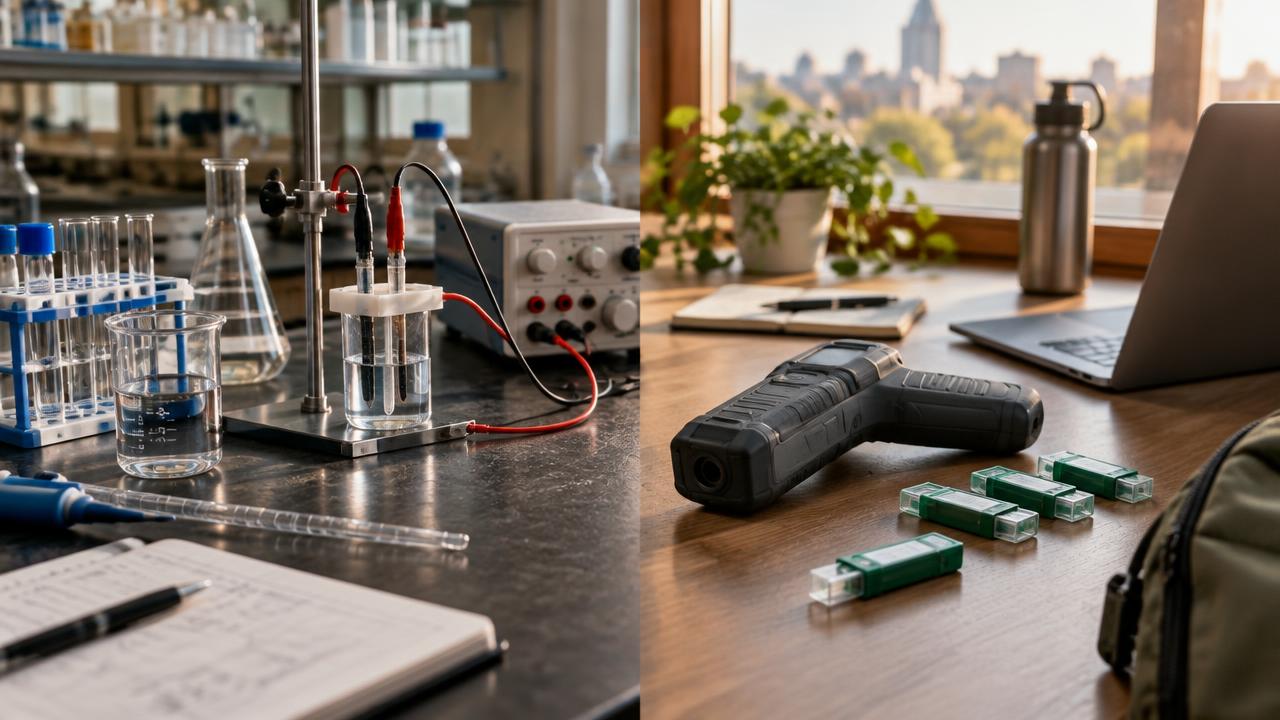
With the World Economic Forum projecting a 40% supply–demand gap by 2030, innovation is concentrating on purification, desalination, drip irrigation and, above all, real-time monitoring. Cyber-physical systems of sensors, processors and actuators enable smart, proactive control of sanitation networks, reservoirs and flows. The same tools underpin precision agriculture and recirculating aquaculture systems, which can reuse more than 90% of their water. Machine learning and big data are slowly reshaping water management on top of this foundation.
Change has nonetheless been slow: the sector resists innovation, and water's cross-border, cross-sector nature complicates action. Gabriela sees rising political awareness as the lever, pointing to the European Commission's new European Water Resilience Strategy and Portugal's "Água que Une" national water strategy for the next 15 years. Success, she concludes, depends on a holistic, collaborative approach across governments, companies and civil society.