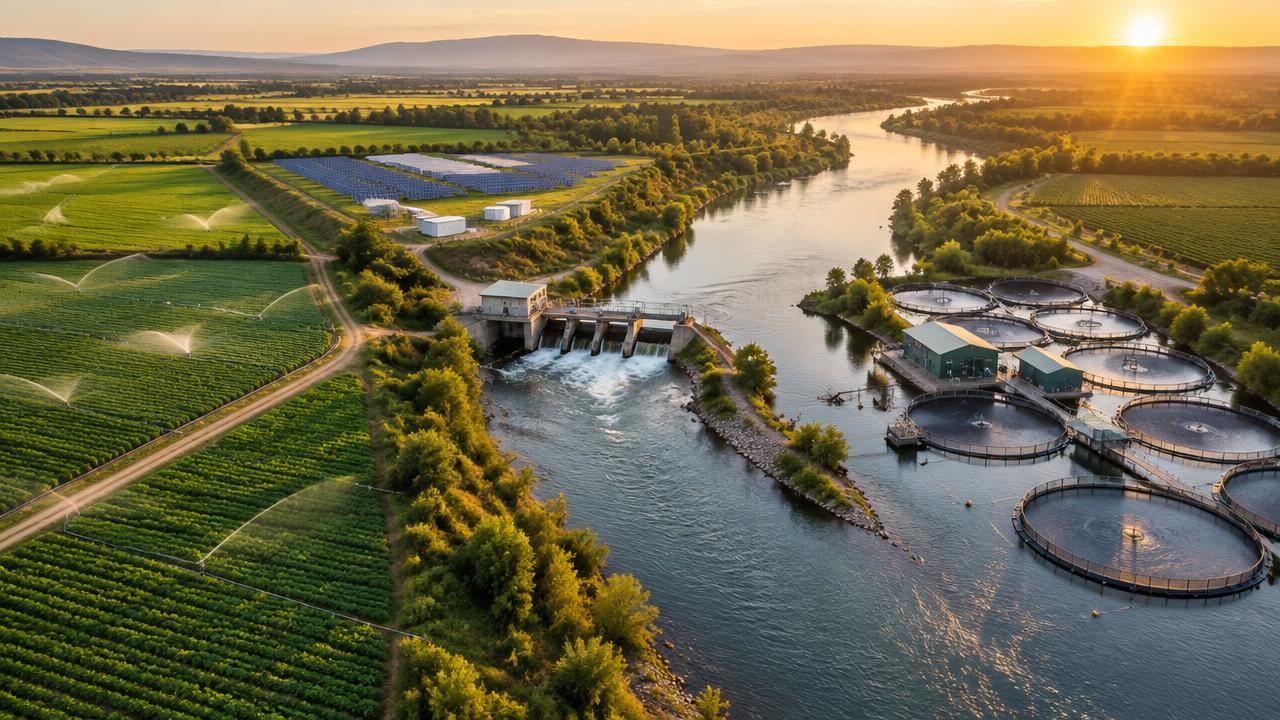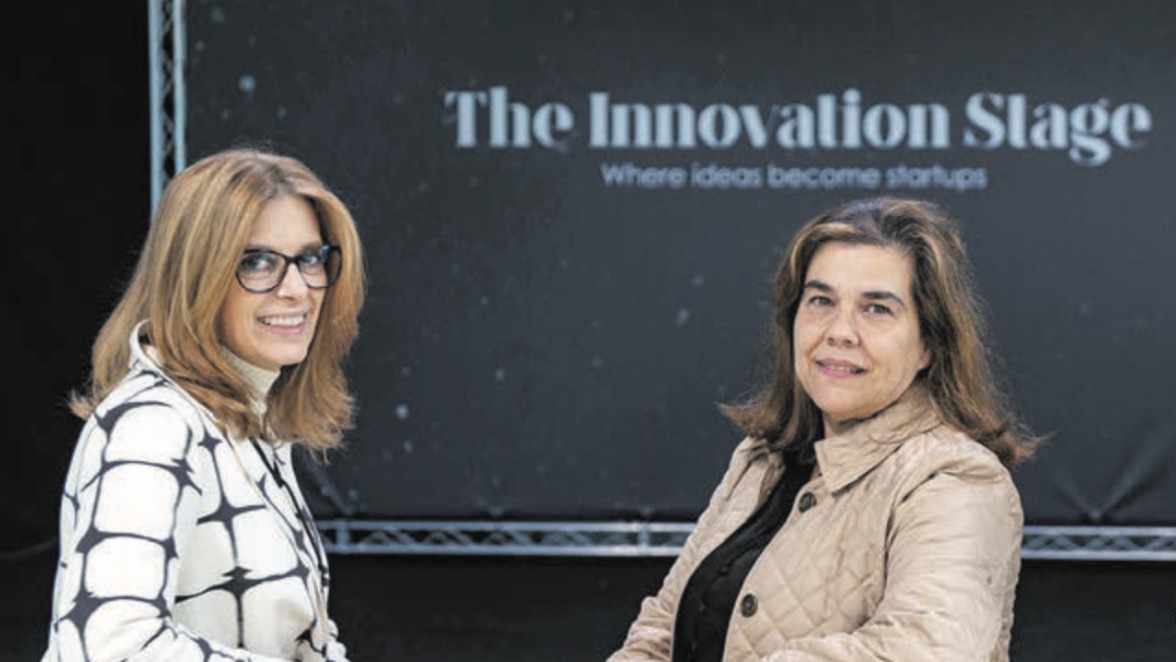
Water underpins agriculture, energy and industry, and its economic value was estimated at US$58 trillion in 2021. Yet population growth, climate change and ecosystem pressure are straining supply. The World Economic Forum projects a 40% gap between global water supply and demand by 2030 if current practices continue. Gabriela argues this makes intelligent, sustainable water management urgent, and that innovation must go well beyond incremental upgrades.
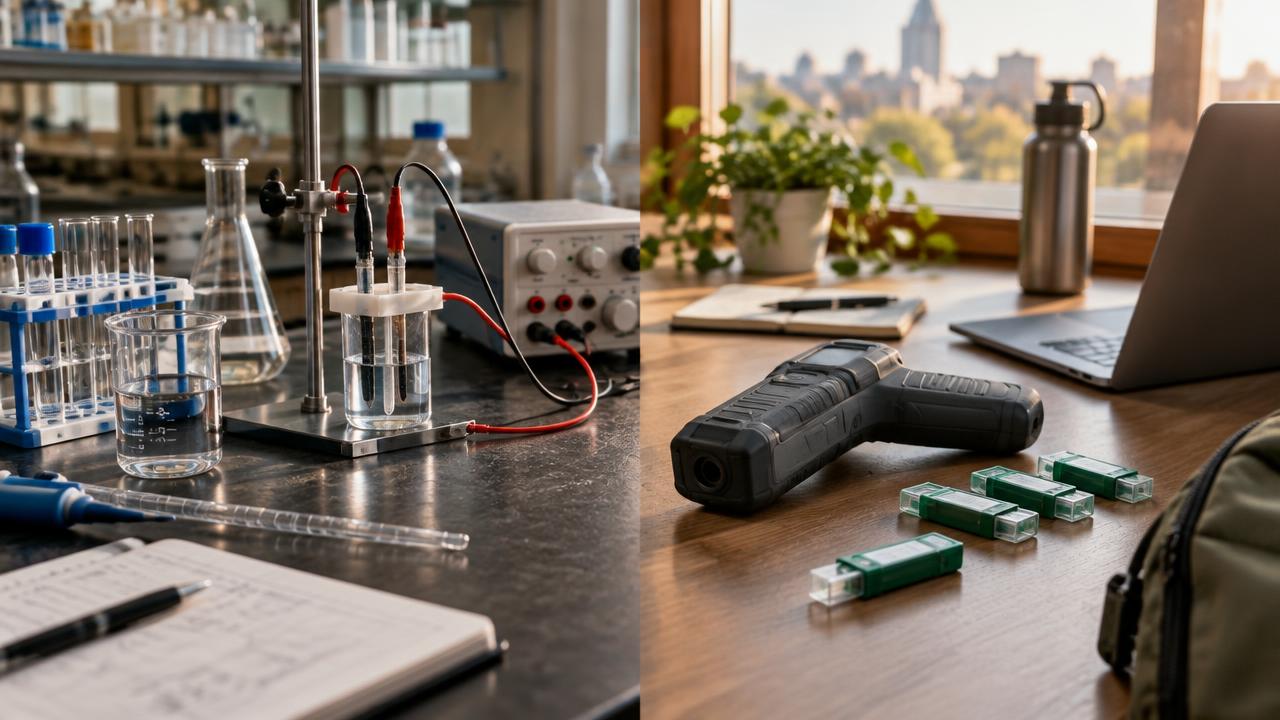
She describes "Water 4.0": the integration of the Internet of Things, AI and data analytics into water systems. Smart sensors and wireless networks enable continuous, remote, real-time monitoring of water quality, reservoir levels and flows. Paired with machine learning, that data supports predictive models, early leak detection and digital twins of distribution networks. This matters in Portugal, where about 27% of water is lost before reaching consumers. Precision agriculture benefits too, using satellite and drone data to calculate exact irrigation needs.
The benefits are economic, environmental and social: lower costs and waste, easier regulatory compliance, and public transparency on consumption and quality. Gabriela also names the risks: cyberattacks, the cooling-water footprint of data centers, heavy upfront investment, skills gaps, and a sector traditionally slow to change. She closes by calling for joint commitment from governments, companies and society, citing Portugal's "Água que Une" national water strategy working group, launched in May 2024.