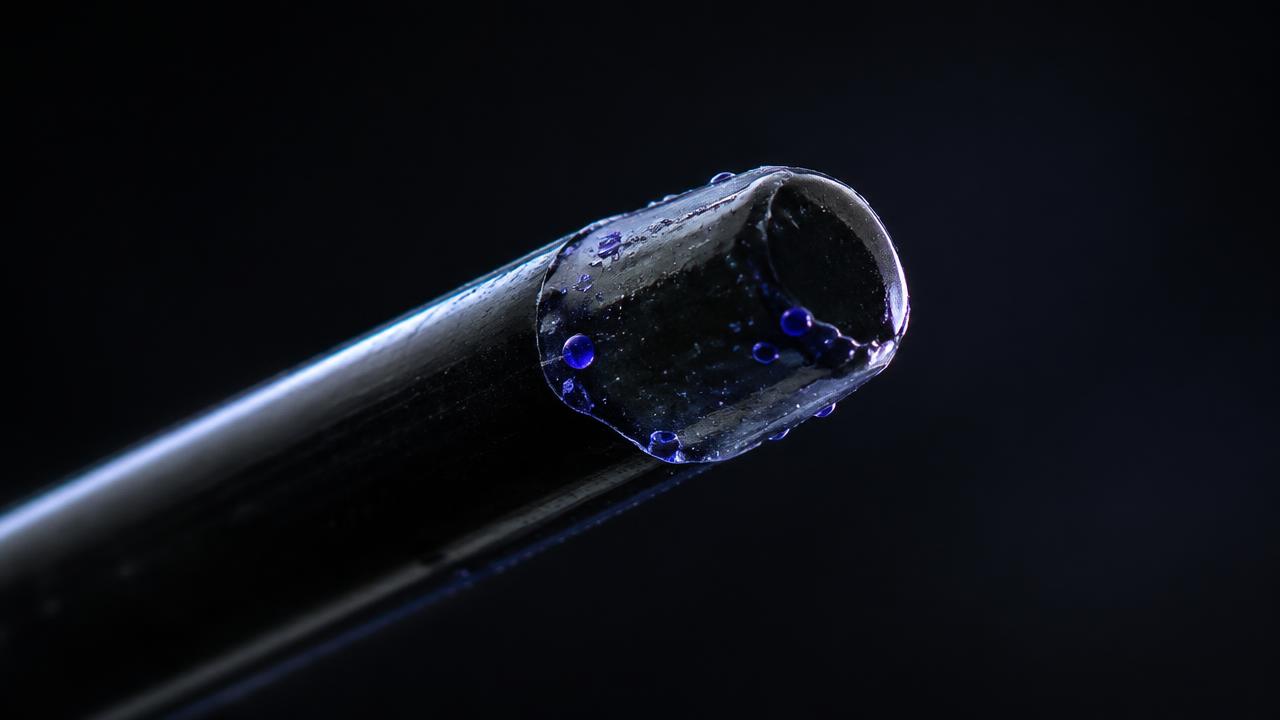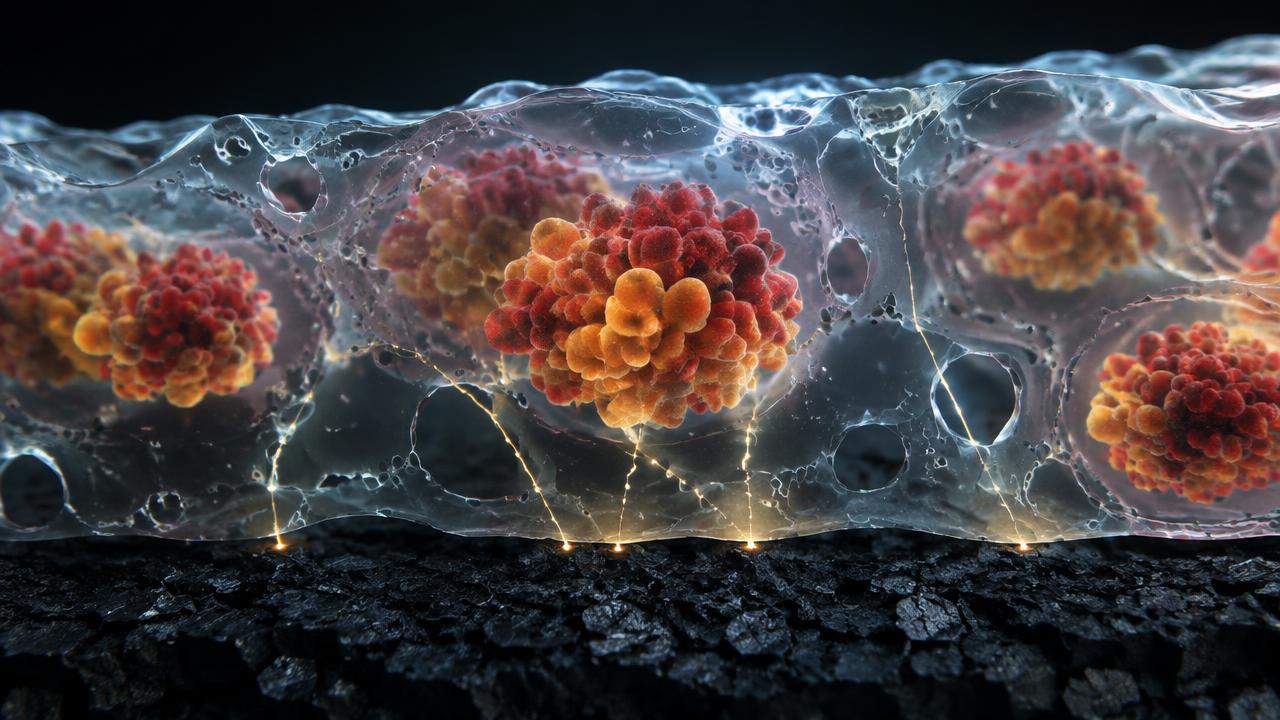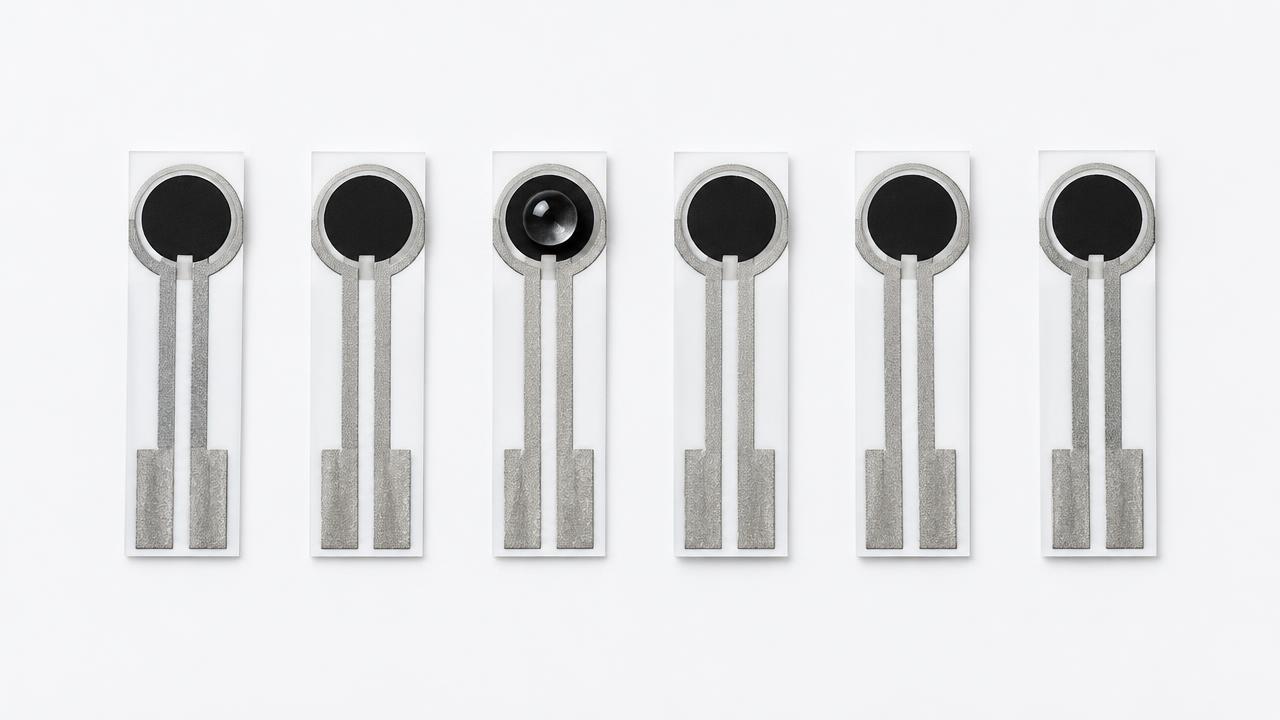
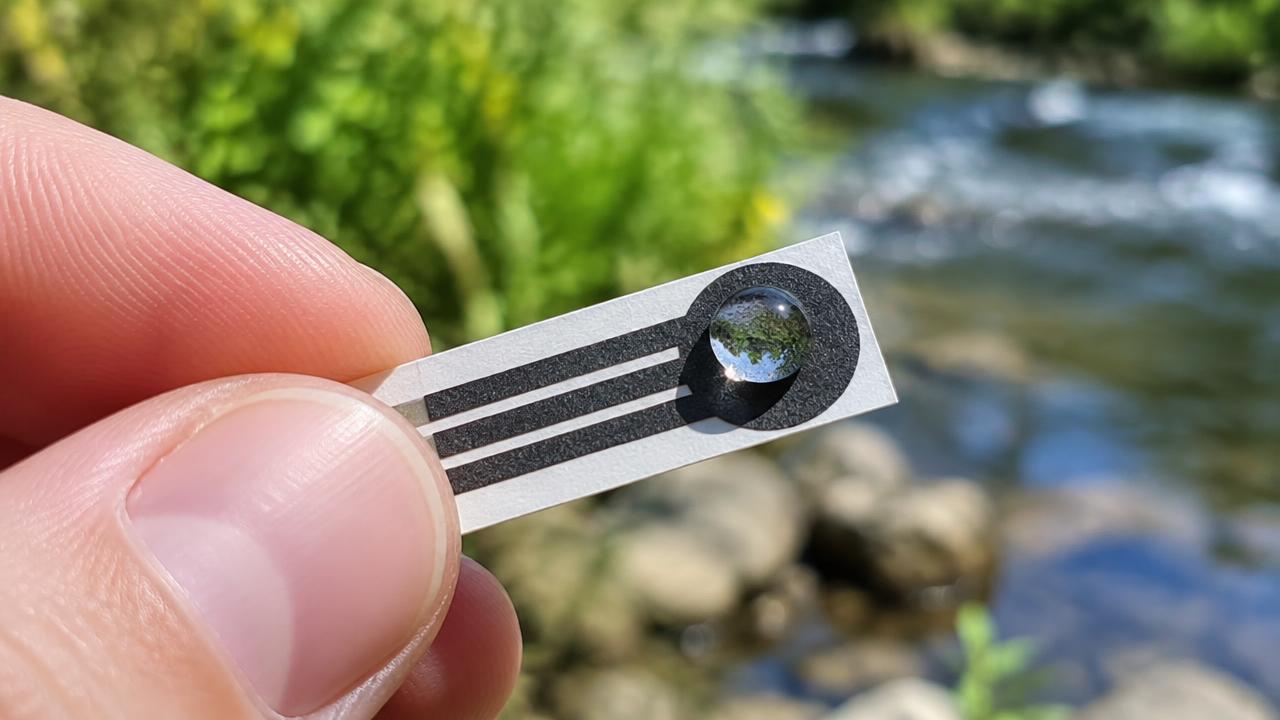
Enzyme-based electrochemical nitrite sensors are fast, selective and easy to miniaturize, but they need oxygen-free conditions to work. Lab methods such as argon purging are impractical in the field. Building on the team's 2015 disposable sensor, which used a glucose oxidase/catalase oxygen scavenger dissolved in 5 mL of solution, this study immobilized all three enzymes directly on a carbon screen-printed electrode. The nitrite reductase (ccNiR) sits next to the electrode, with the scavenger layer on top, and a test needs just a 50 µL drop.
The immobilized scavenger cleared dissolved oxygen within minutes and kept anoxic conditions for an hour in open air. The strip responded linearly from 2 to 200 µM nitrite at −0.8 V, with a 4.7 µM detection limit, or from 0.8 to 150 µM with higher sensitivity at −0.5 V. Reproducibility improved to 4–8% from about 20%, and strips stored dry at 4 °C stayed stable for a month. Unexpectedly, cyanide, a classic inhibitor of heme enzymes, had no effect on the printed sensor, likely because the carbon ink adsorbs it.
In untreated urine, the strip recovered 96–104% of added nitrite, relevant because levels can reach 400 µM in urinary infections. Its performance suits drinking-water monitoring under WHO and US EPA guidelines, though the detection limit sits slightly above the EU maximum. Compared with paper-based colorimetric tests, which can be slow and interference-prone, it needs no sample pretreatment or pumps. The authors call it a step toward truly disposable on-site nitrite testing.