Nitrate and nitrite from fertilizers and food additives threaten ecosystems and human health, and the EU caps nitrite in drinking water at 0.1 ppm. Conventional methods struggle with interferences in complex samples. This study proposed an electrochemical sensor built around cytochrome c nitrite reductase (ccNiR) from the bacterium Desulfovibrio desulfuricans ATCC 27774, which converts nitrite directly to ammonia in a six-electron reaction. The enzyme is highly active, very stable and can be purified in large yields, making it a strong recognition element.
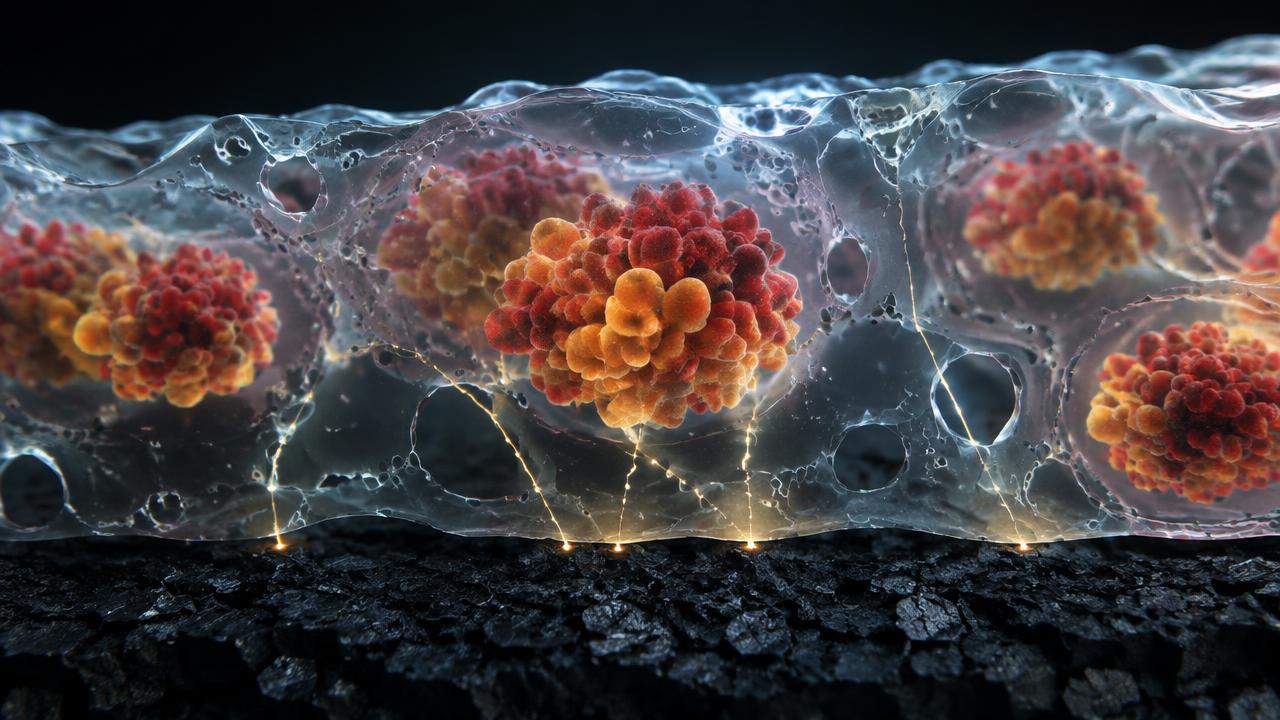
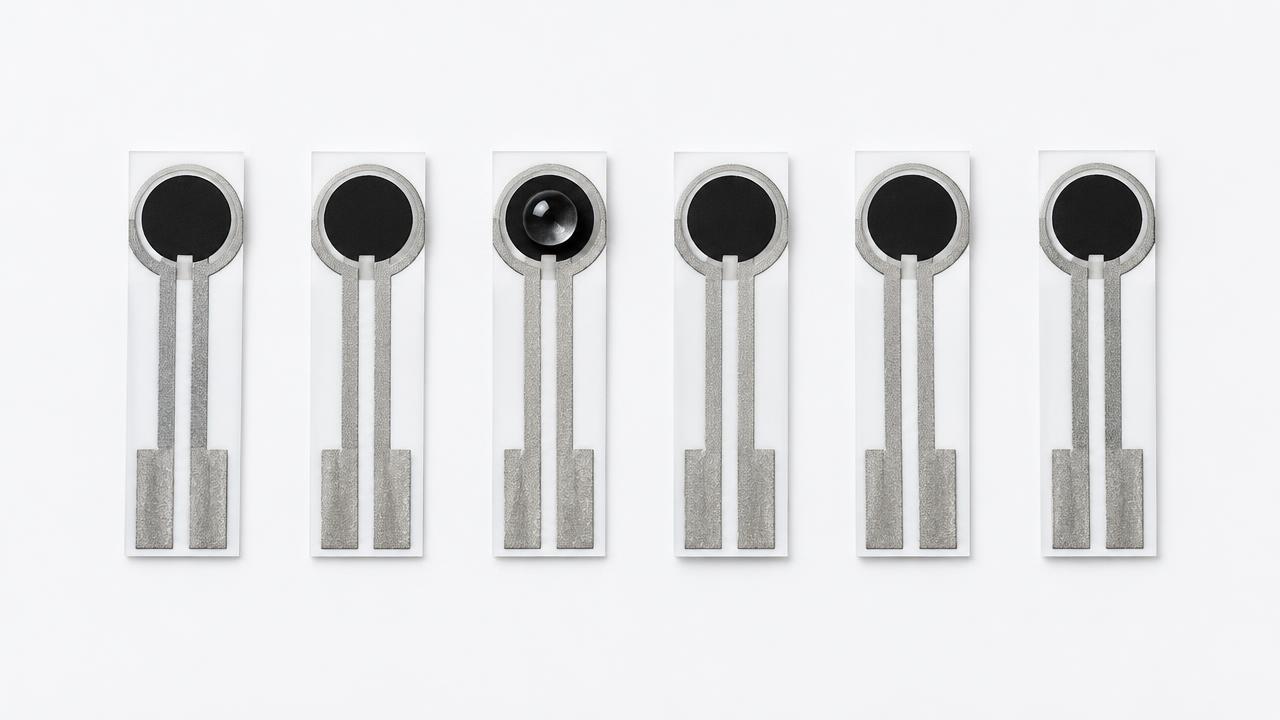
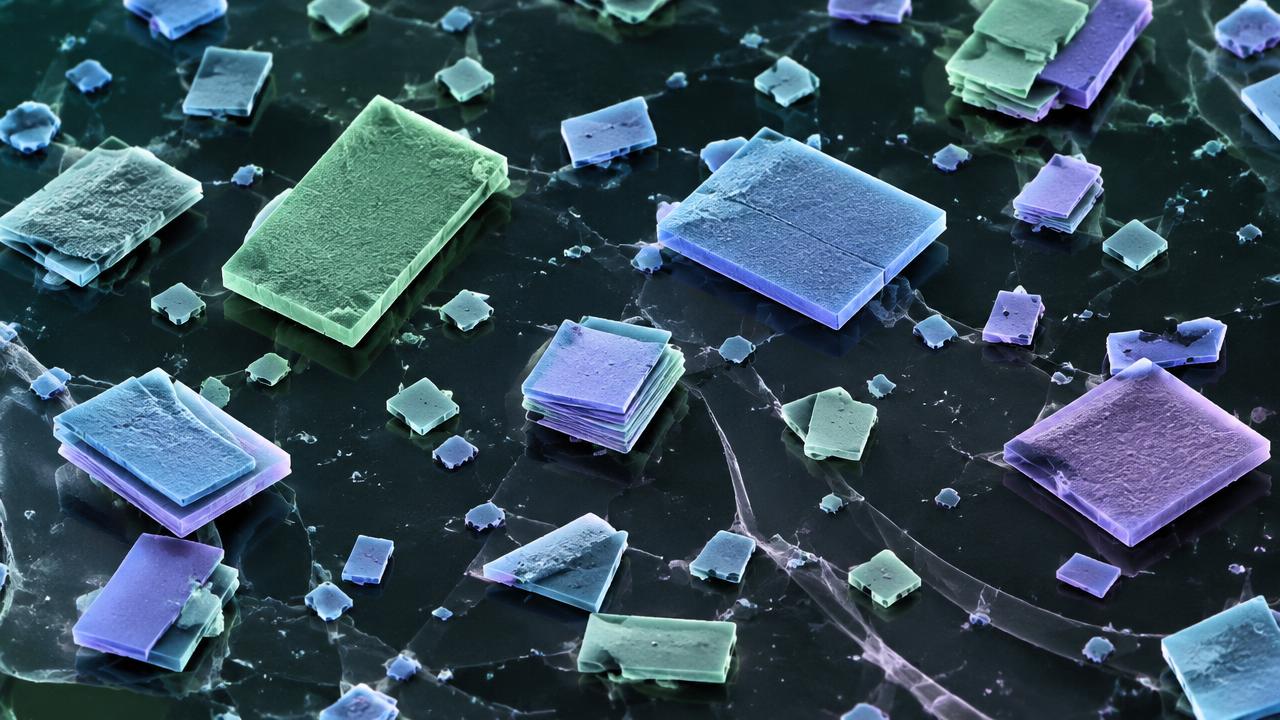
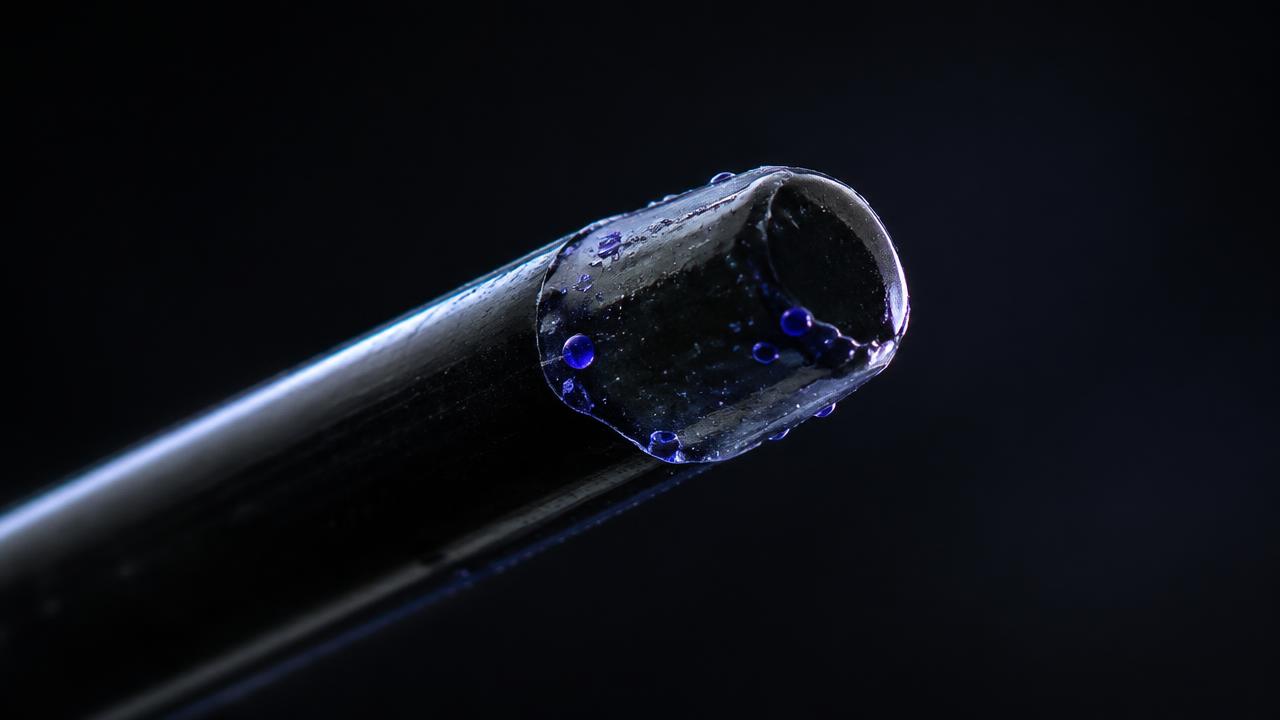
The enzyme was entrapped in Nafion, an ion-exchange polymer, on a glassy carbon electrode, with methyl viologen loaded into the film to shuttle electrons. Surprisingly, the anionic Nafion still let negatively charged nitrite through. Electron microscopy showed why: the enzyme–polymer film was highly irregular, leaving many enzyme molecules directly exposed to the sample. The amount of mediator was the main lever on performance; more mediator lowered sensitivity but widened the linear range.
At optimal settings, sensitivity was 445 mA M⁻¹ cm⁻², with a linear range of 75–800 µM and a detection limit of 60 µM. Nitrate and sulfite caused no meaningful interference, but hydroxylamine did, and the response faded over about a week as the enzyme and mediator were lost. The authors concluded the design laid useful groundwork for future devices to measure nitrite in drinking water and wastewater.