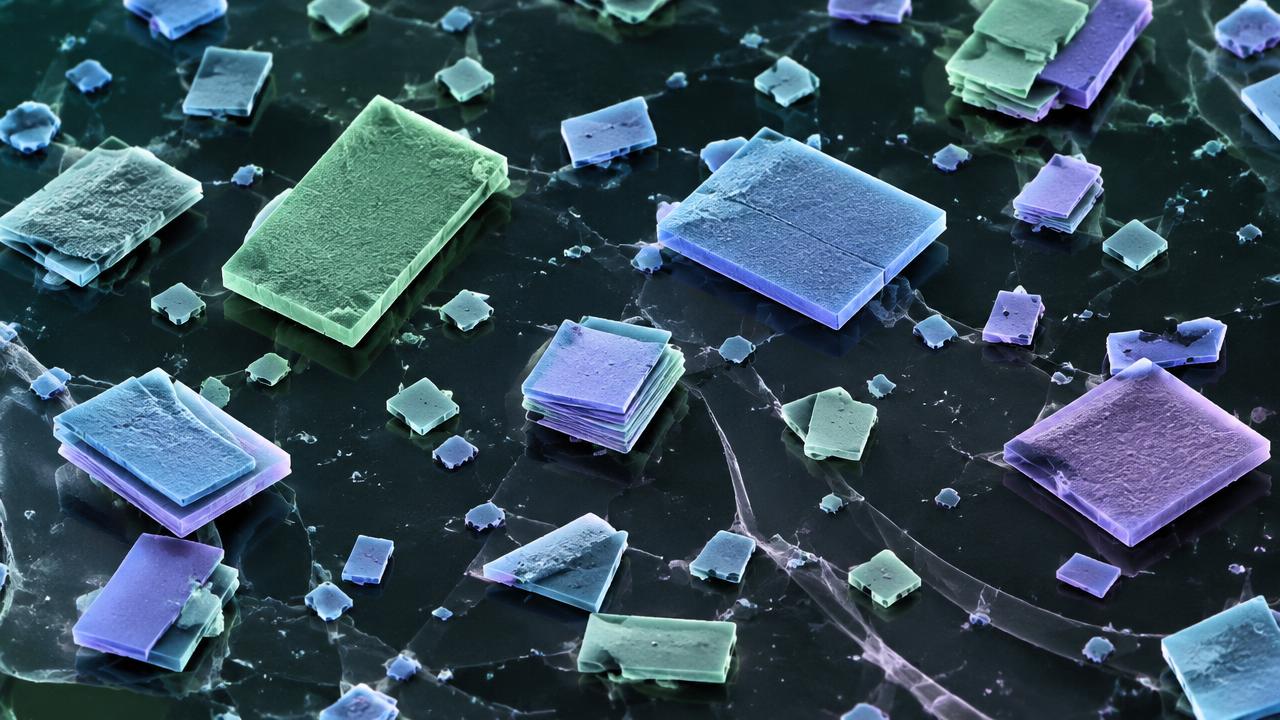
Nanostructured electrode surfaces can speed electron transfer with redox proteins, but most enzyme-based nitrite sensors have relied on carbon materials. This study, a collaboration between materials scientists and Gabriela's group, tested tungsten oxide (WO₃), an inexpensive, chemically stable and environmentally friendly semiconductor. Three types of WO₃ nanoparticles were made by a simple hydrothermal synthesis at 180 °C, varying the acid concentration. That produced one monoclinic form, one hydrated orthorhombic form and one mixture of the two.
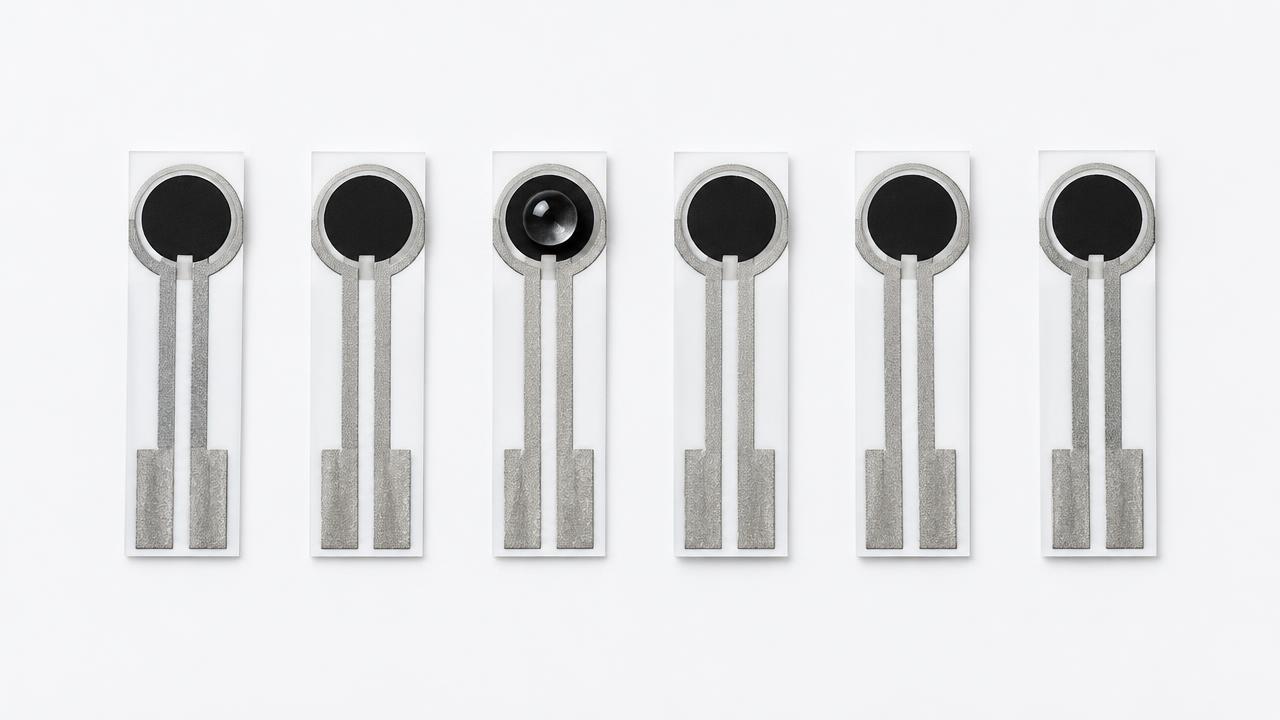
The particles were fully characterized by X-ray diffraction, electron microscopy, light scattering, surface-area and impedance measurements, then drop-cast onto transparent ITO glass electrodes. All three enlarged the electroactive area two to three times over bare ITO and improved electron transfer with both a small iron probe and the protein
cytochrome c. For cytochrome c, the electron-exchange rate increased by about an order of magnitude. The hydrated orthorhombic particles conducted best and gave the fastest, most reversible reactions.
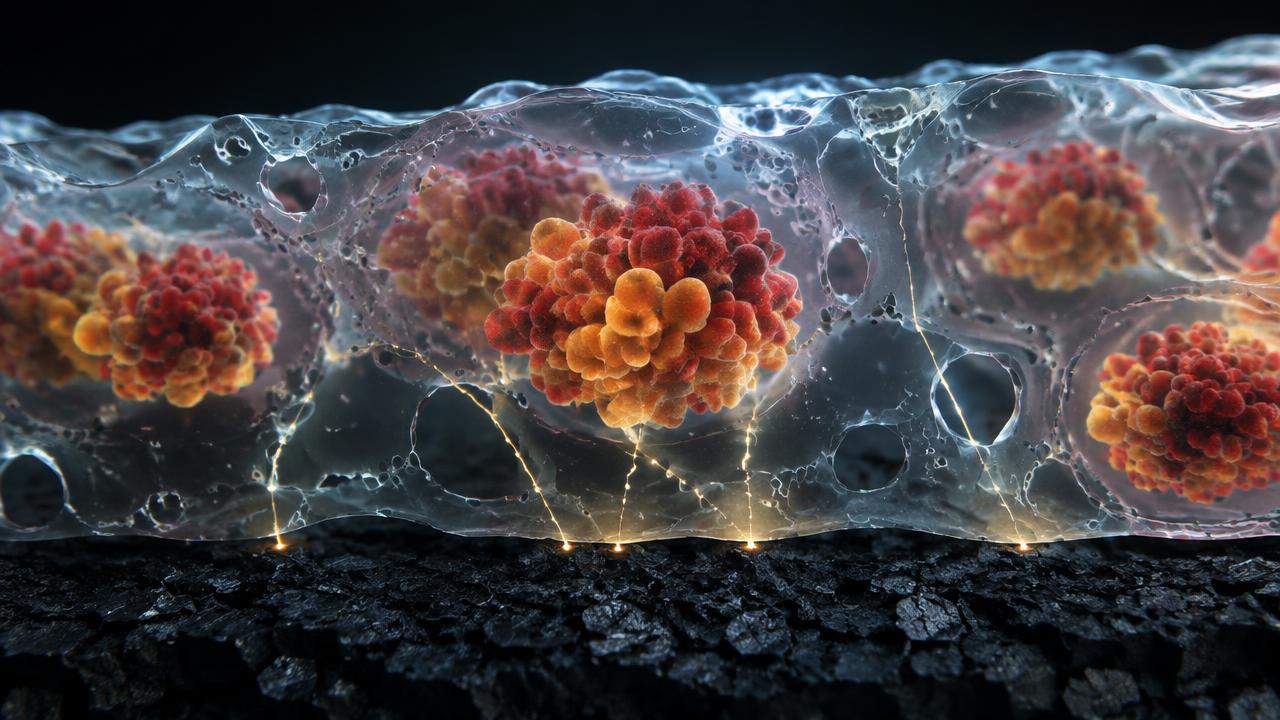
As proof of concept, the nitrite reductase enzyme (ccNiR) was deposited with the nanoparticles, and spectroscopy confirmed its structure stayed intact. The resulting electrodes showed clear catalytic response to nitrite, with a Michaelis–Menten constant around 47 µM and sensitivity up to 2,143 mA M⁻¹ cm⁻², comparable to carbon nanotube electrodes. Detection limits and linear range still needed work, as did reproducibility. The study showed for the first time that a metal-oxide nanoparticle film can serve as an effective catalytic interface for this enzyme.